 +38 (067) 445-60-35
 info@kdtmac.com.ua


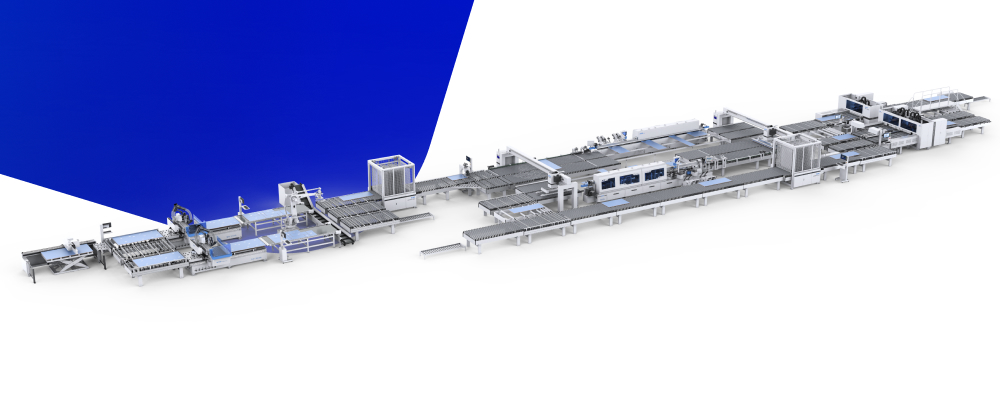
What machines are needed to start furniture production. Large-scale production
In previous articles, we examined small and medium-sized productions. Now we turn to large-scale manufacturing. These productions are characterized by their uncompromising approach and massiveness. Every process is carefully planned to achieve high productivity. Unlike small and medium-sized operations, large productions require extensive production space and significant budgets, which in turn makes it possible to use the most advanced CNC equipment and fully automate production systems.
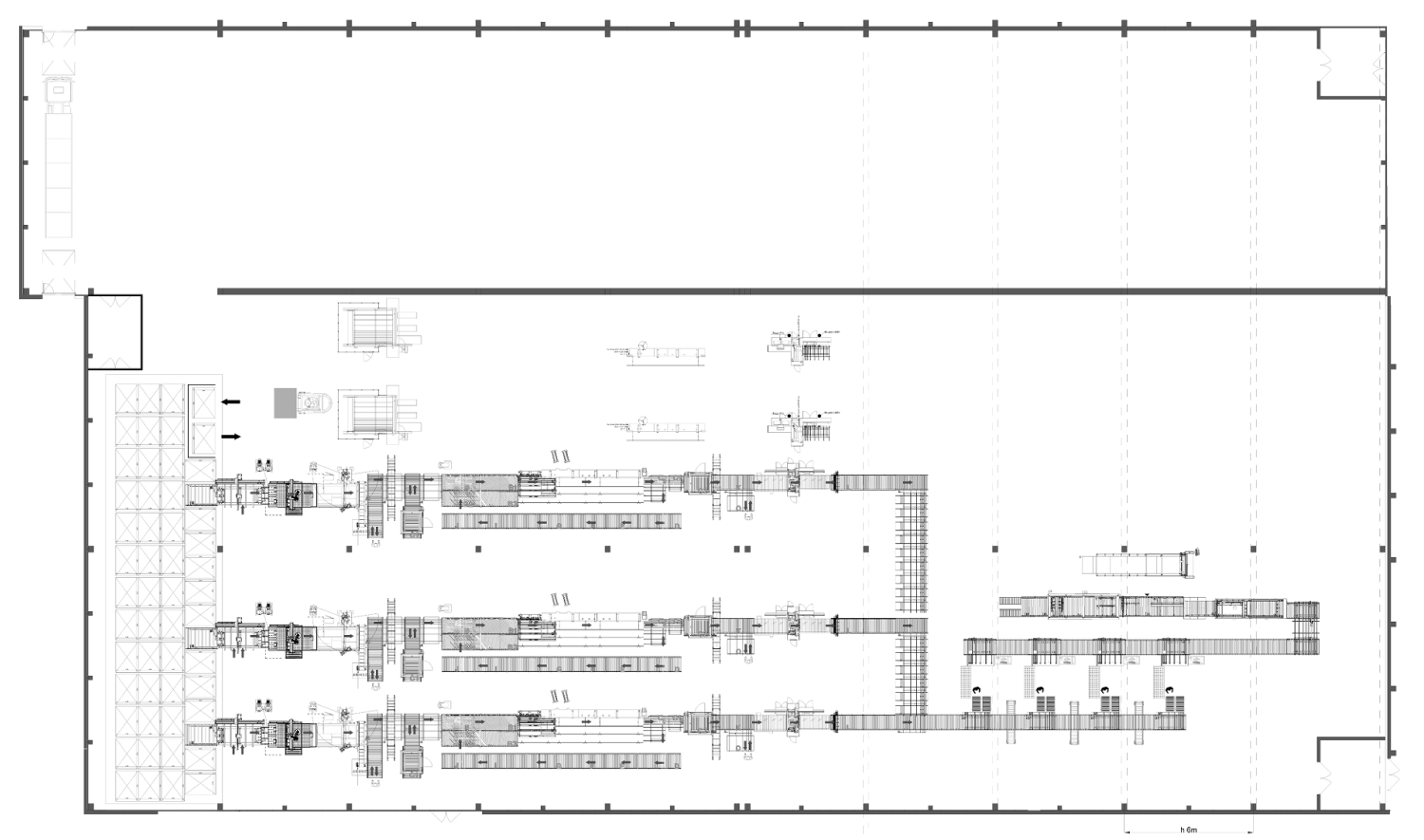
Before implementing any production, it is recommended to develop a workshop layout project with machinery placement. However, for large-scale manufacturing this is not a recommendation, but a necessity. The project defines the layout of machines, conveyors, and other auxiliary equipment, as well as the organization of the technological process. At the design stage, it is already possible to optimize material and workpiece flow routes, minimize machinery downtime, increase efficiency and overall productivity, and evaluate the technical and economic performance of the planned production.
When designing production processes, the specialists of our automation department are guided by the principles of sequential technological operations, optimization of the working space, ensuring convenient personnel movement, as well as compliance with technological and environmental standards and occupational safety requirements.
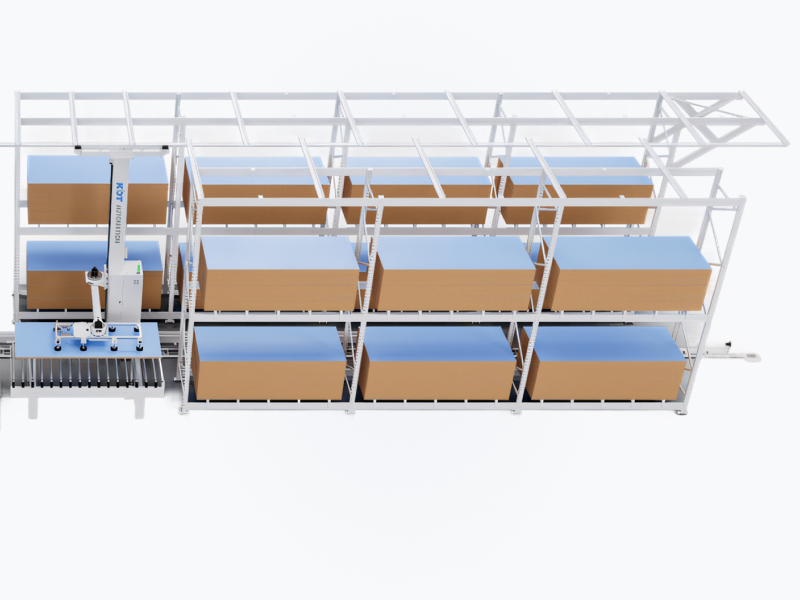
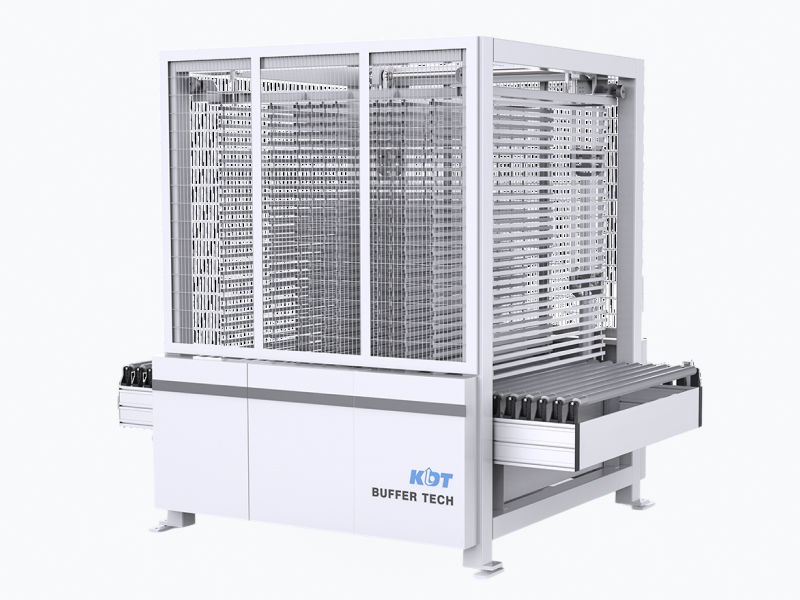
The furniture manufacturing process begins already at the sheet material storage. In small and medium-sized production facilities, these are usually compact storage areas with frequent manual delivery of small quantities of required sheet materials. The movement of sheets from storage to processing is typically carried out manually or using a forklift. In large-scale and mass production, the approach to storage operations is completely different. A significant number of large manufacturing facilities begin automation already at the sheet material storage stage. Stacks of sheet materials are loaded into dedicated areas using forklifts. At the next stage, they are sorted according to specific parameters (color, structure, dimensional characteristics, etc.) and, using a vacuum automated manipulator, are distributed into clearly defined storage cells within the storage. From these cells, the sheets are automatically fed into the cutting area.
For large-scale production, the question is not which cutting machine to choose, but how many machines are required to ensure the necessary productivity. Our experience shows that the optimal solution for large manufacturing facilities is the installation of two to three panel saw centers combined with two to four CNC machining centers.
The design features of CNC beam saws impose certain limitations on their automation capabilities. In configurations with rear or side hydraulic loading tables, sheet loading is performed automatically by the machine’s pushers, which transfer the material into the cutting area, where the process continues in a semi-automatic mode with operator involvement. Finished workpieces are then unloaded manually by the operator onto pallets or conveyors.
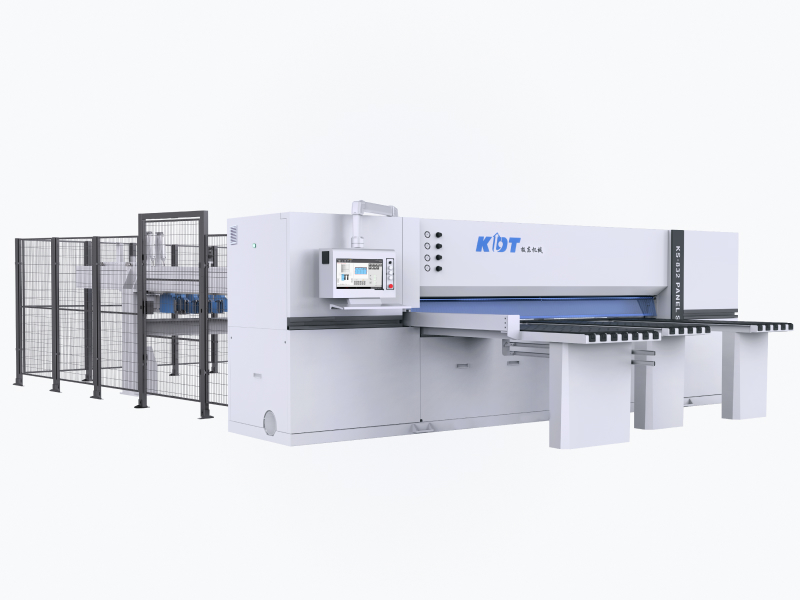
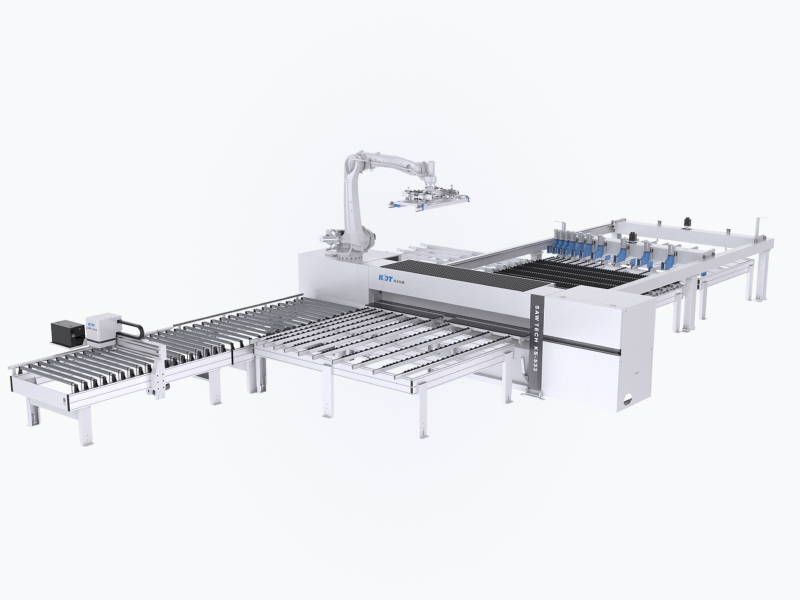
However, the new KDT Machinery KS-533A model is a fully automated solution. From the automated storage, sheet materials are transported via conveyors to the panel saw center. A robotic vacuum manipulator installed on the machine performs all tasks typically handled by the operator. The already cut workpieces are unloaded onto another powered conveyor and transferred to the next processing stage.
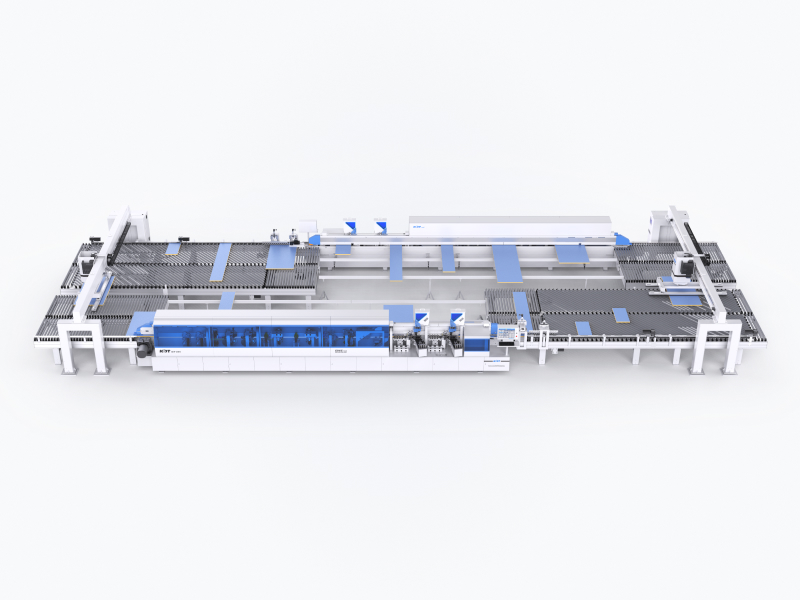
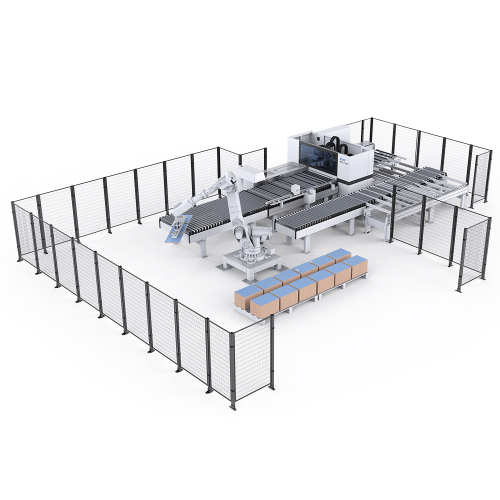
CNC flat-table machining centers can be fully automated and are easily scalable for production expansion. As an example, the image illustrates an automated production cell based on two CNC flat-table machining centers KN-3710DE.
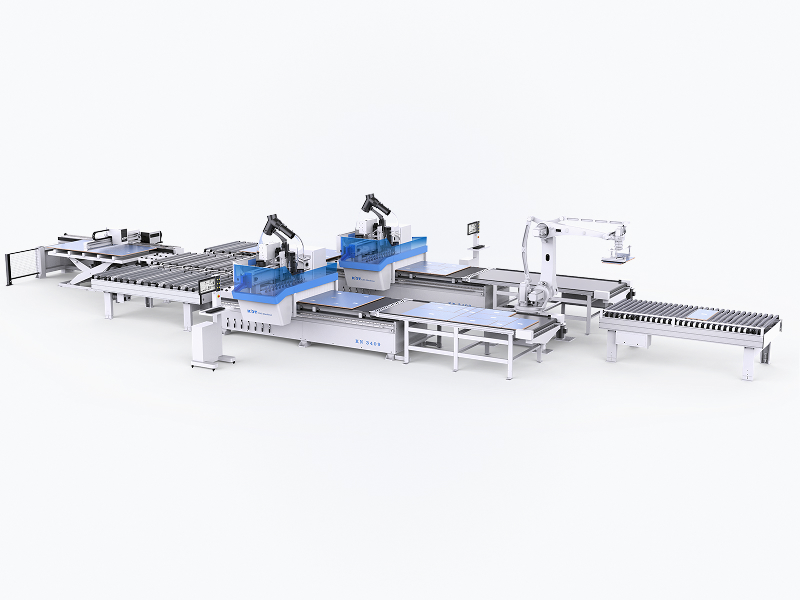
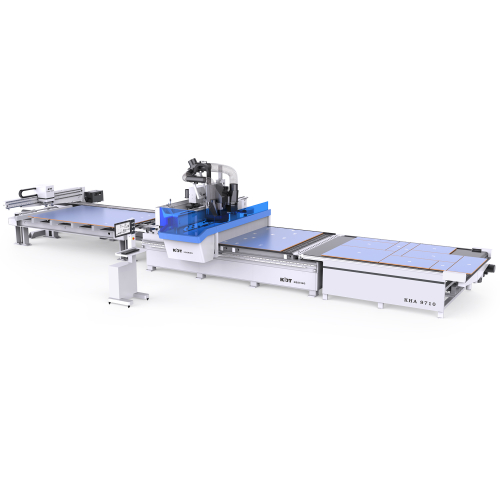
Sheets of material are loaded onto the KHA-1710TS loading table from an automated storage. Using the auto-lifting system, the table raises the sheets to the machine working surface level based on an optical sensor. The label printer installed on the loading table places information labels at the positions of future workpieces. Using scanners of these labels, processing programs are loaded across multiple machines.
From the loading table, a beam with vacuum modules transfers the labeled sheet onto the processing machine and positions it using alignment systems. At the same time, labels for the next sheet are already being applied during the cutting process.
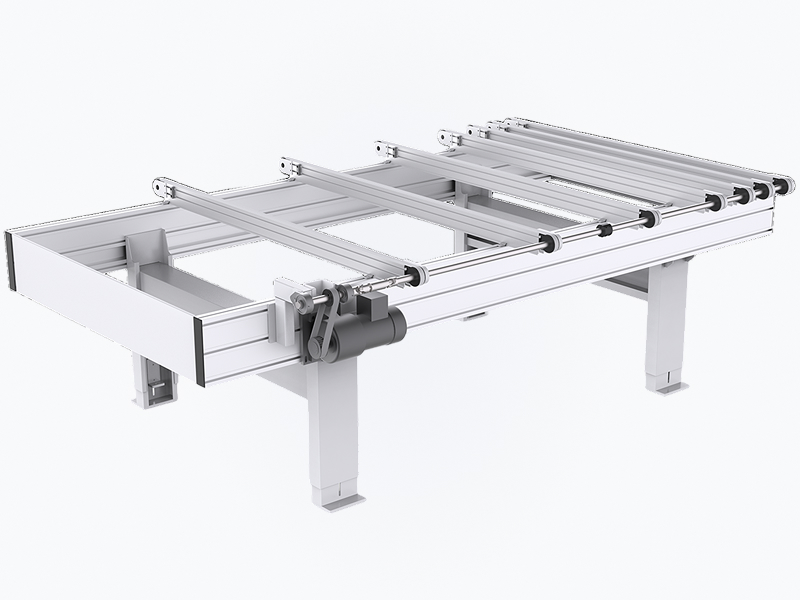
After processing, the finished workpieces are transferred from the machine to the KHA-9710 unloading table. From there, they can be unloaded manually or via a robotic vacuum manipulator onto the KHC-303 powered roller conveyor. During the transfer of parts to the unloading table, the working surface is automatically cleaned from chips and dust.
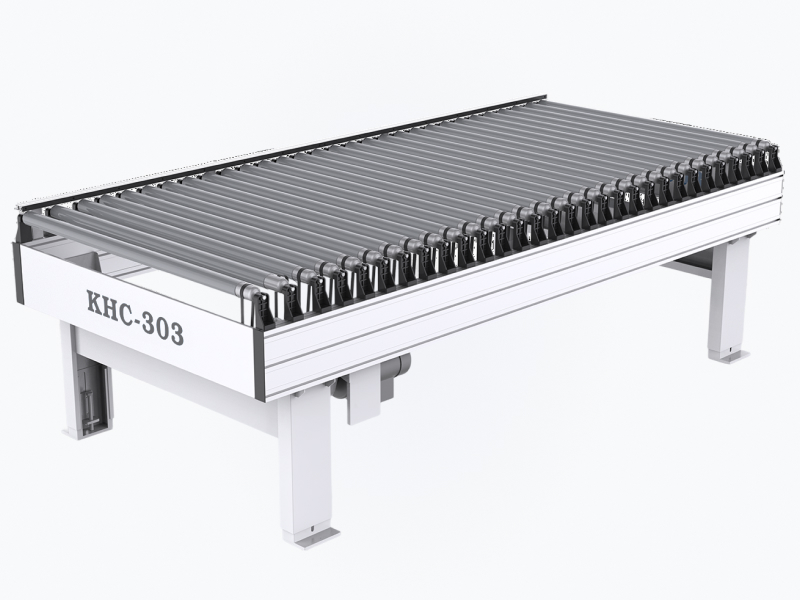
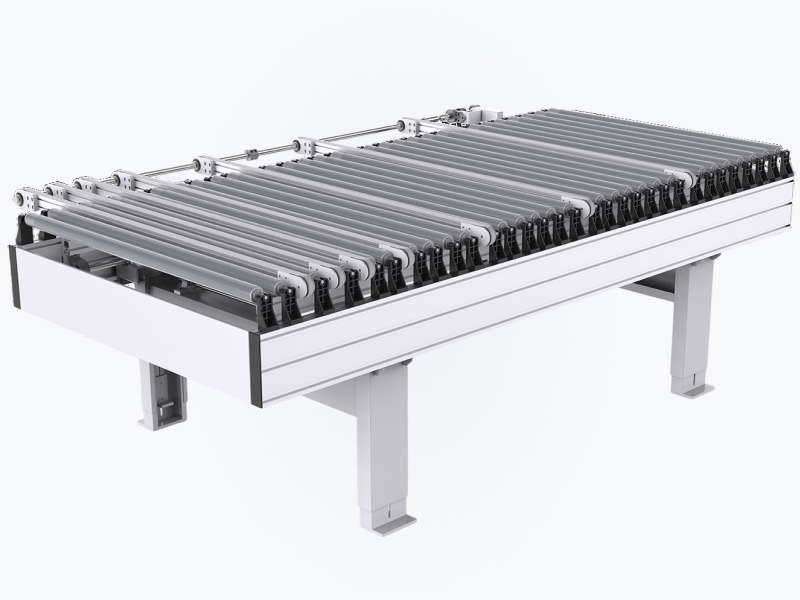
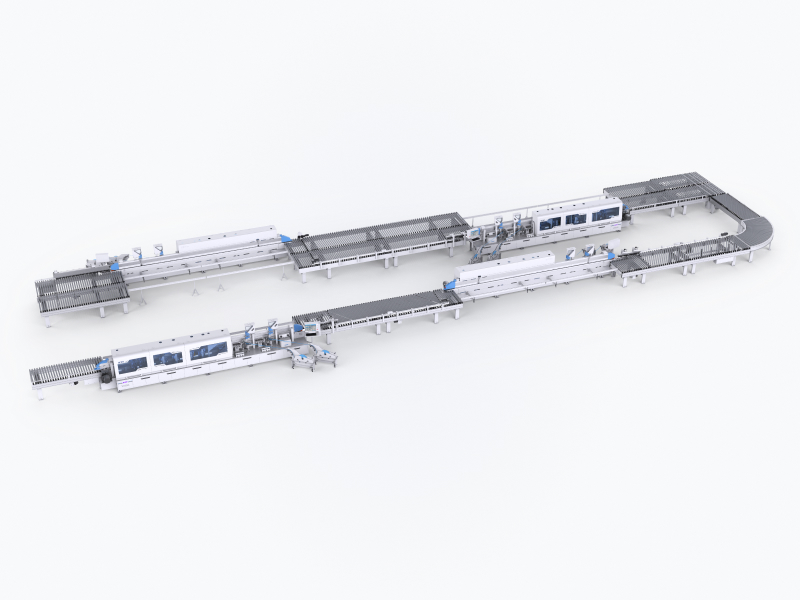
In automated production, a four-side edgebanding line is typically installed at the edgebanding section. The most common configurations include: a setup with four edgebanding machines, a system with one or two machines equipped with a return system, or a configuration with two double-sided edgebanding machines.
The line of two double-sided edgebanding machines provides the highest productivity and minimal processing time thanks to optimized production flow (simultaneous processing of the workpiece from both sides). This type of line is designed for mass production of workpieces with identical widths and is not suitable for individual production, as it requires a significant amount of time to reconfigure for a different workpiece width.
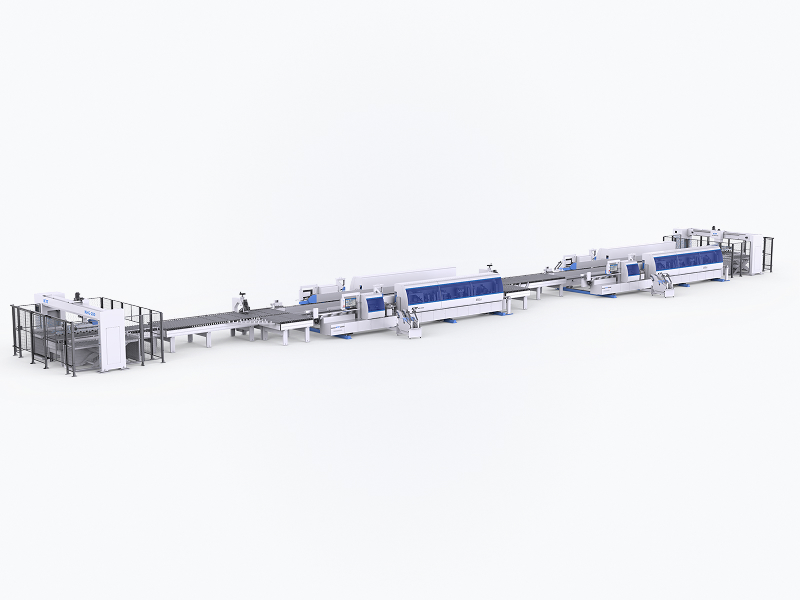
An edgebanding line consisting of four machines is more flexible, as it can process workpieces of any width. However, this increases the processing time.
A two-machine edgebanding line with a return system is the most cost-effective solution for four-sided edgebanding. It retains the flexibility of a four-machine line, but at the same time is the least flexible among the three configurations, since each workpiece passes through the same machine twice.
For integration into an automated production line, three main types of drilling machines are used: multi-spindle drilling machines, CNC drilling machines, and CNC drilling machines with two working tables. They use an information label scanner for automatic changeover according to the specified processing program. To achieve a balance between productivity and manufacturing flexibility, each type of machine is actively used depending on production requirements.
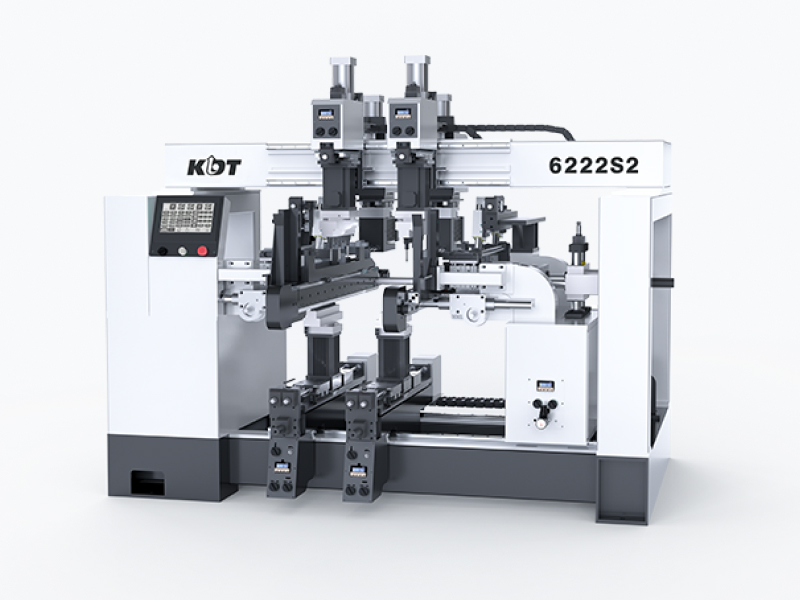
Multi-spindle drilling machines are ideal for serial production, providing high productivity and efficiency when processing large quantities of identical workpieces. Due to their design features, they significantly increase production speed, but their use has certain limitations. In particular, these machines can process only identical workpieces and require a considerable amount of time for reconfiguration for each new batch. This makes them specialized machinery best suited for mass production of predefined products, where productivity and efficiency are the key priorities.
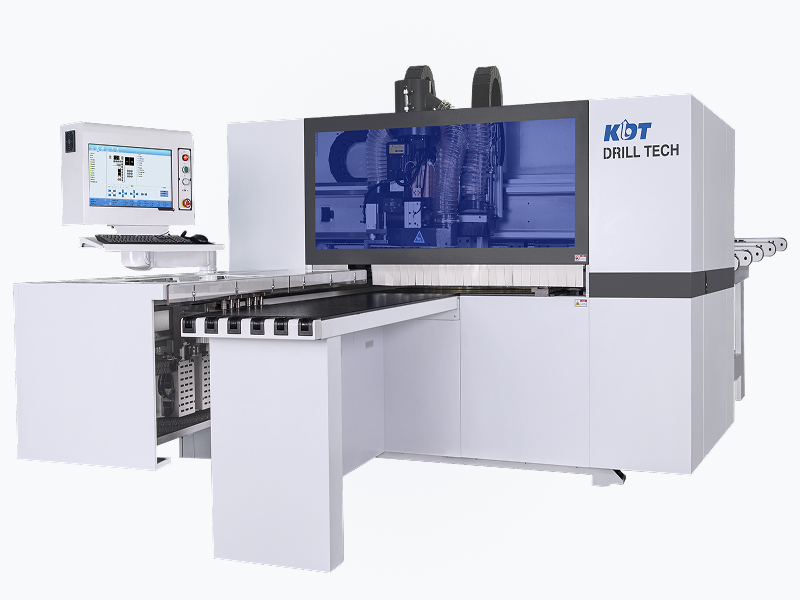
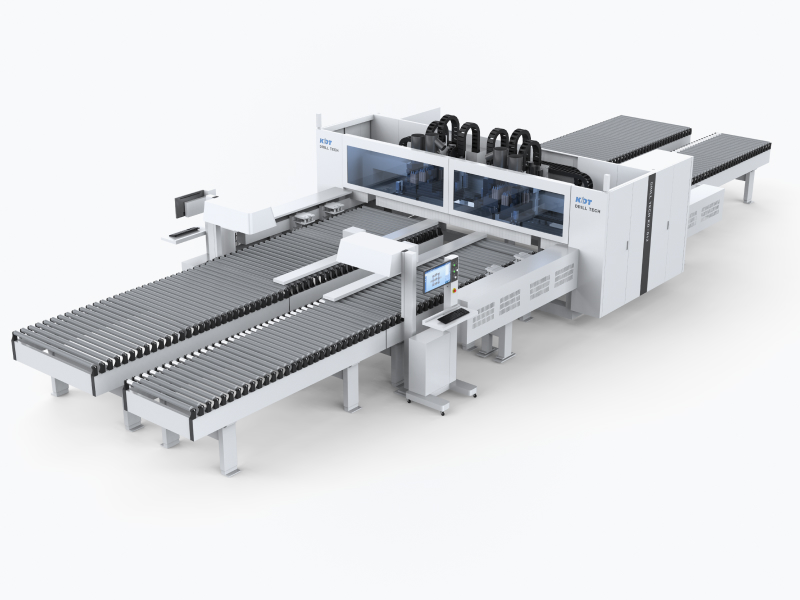
CNC drilling centers combine high productivity with maximum manufacturing flexibility. Unlike multi-spindle drilling machines, where processing is carried out by fixed drilling groups, CNC drilling centers feature actively moving working units during operation. Thanks to this, they are equally effective in both batch production of identical parts and in processing a wide variety of components without loss of speed or precision.
In addition to standard drilling operations, different configurations of CNC drilling centers can be equipped with additional units such as grooving saws or milling aggregates with an automatic tool changer, significantly expanding their functional capabilities. This enables complex machining of workpieces in a single pass, reducing the production cycle.
The CNC drilling center KD-812A with two working tables, developed based on the KD-612NHSZ model, effectively combines the capabilities of two machines within a single frame, significantly saving production space.
Thus, CNC drilling centers are among the most popular choices for automated manufacturing. They combine high productivity with flexibility due to movable units, enabling efficient processing of both batch and mixed-type workpieces without loss of speed or accuracy. The option to equip them with additional aggregates such as saws or milling modules further expands functionality, allowing complete machining in a single pass and shortening the production cycle.
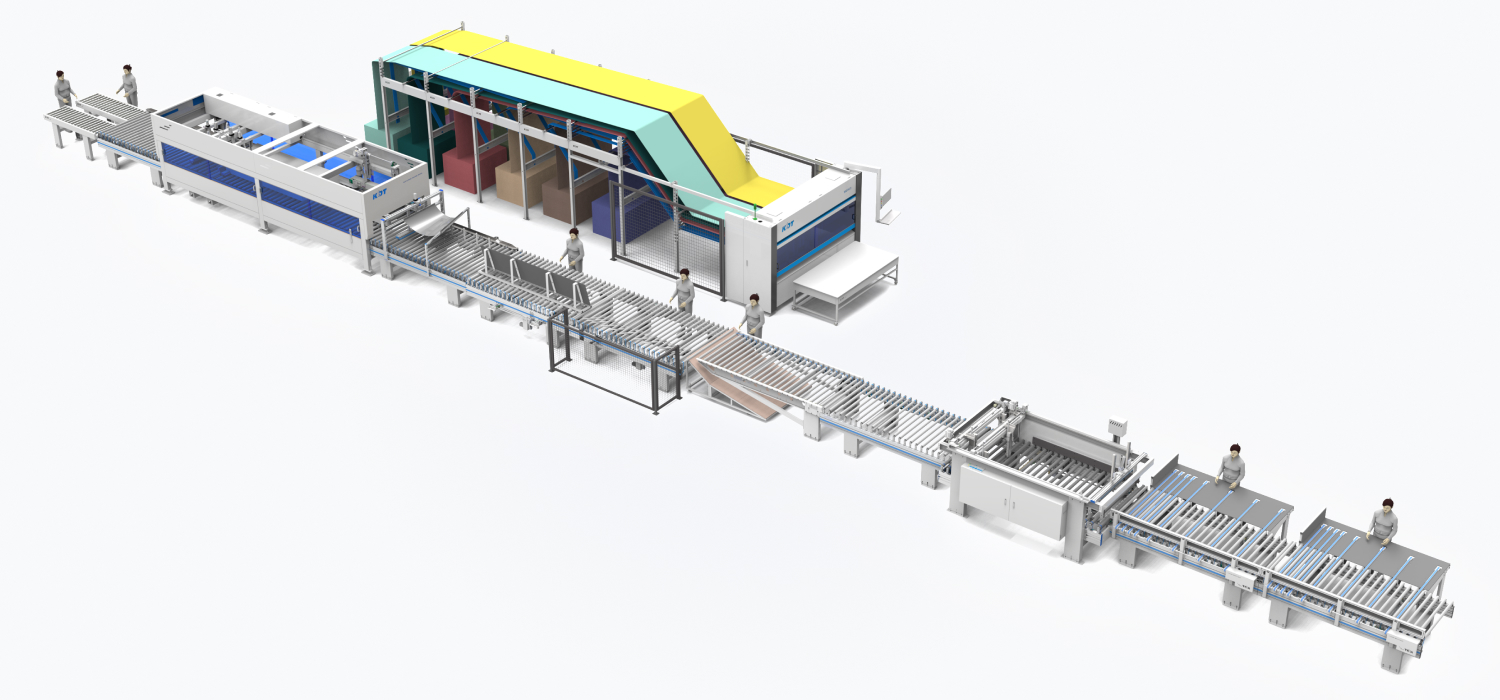
In medium and large-scale production, machines for box manufacturing and gluing are increasingly used. However, when designing a large-scale facility, an optional automated packaging line is included, which can be directly integrated into the automated production line.
The first advantage of this approach is the automatic sorting of workpieces by different orders at the sorting stage, eliminating errors. Another advantage is the possibility of installing an automatic measuring station, which transmits data about the dimensions of grouped workpieces directly to the box manufacturing and gluing machines in real time.
You can learn more about the automated line in our article “KDT Automatic line for packaging furniture workpieces”
Conclusion
Large-scale furniture manufacturers are not limited in either floor space or budget, which makes it possible to fully automate processes and minimize production costs. The main question for such enterprises is not which machines to choose, but how many units to install. The production process starts from an automated storage, where materials are directly fed to cutting machines. The use of multiple CNC panel saws and machining centers ensures high productivity, while automated transport systems and edgebanding lines reduce downtime and increase overall efficiency. CNC drilling centers are the preferred choice for such facilities due to their flexibility and ability to perform complex machining operations. An automated packaging line can be directly integrated into the production flow, eliminating the need for manual sorting. KDT Machinery machines feature built-in capabilities for integration into automated systems, making them an optimal choice for large-scale manufacturing.
Contact our company specialists — we will carefully analyze your production requirements, help determine the optimal machinery configuration, and develop a production line layout drawing free of charge according to your technical specifications. For consultation, please contact us at:
+38 (067) 445-60-35
Related products
Related articles
What machines are needed to start furniture production. Medium-scale production
In the previous article, we talked about the machines chosen by small-sized manufacturers. Now it's ..
What machines are needed to start furniture production. Small-scale production
Small-scale production operates with limited space and budget, making every machinery choice critica..
KDT automatic line for packaging furniture parts
Furniture packaging is the final stage of production and plays an essential role in formation custom..
 Facebook
 Instagram
 YouTube